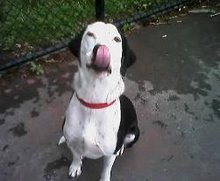
Well I was all set to put Macy down yesterday. Had the appointment made when she started to eat. Looked longingly at my sandwich so I gave her some sliced roast beef. She ate half the package and half of my sandwich. Ate the rest of the package at dinner. Breakfast today she ate squash, turkey and steamed potatos. I think she is on the mend. Only difference in her regimen was I took her off the meds. She has been hospitalized for a week. She refused to eat the first day. I made the decision and took her off meds. I didn't see the point. She was wolfing down food the next day.
Second time she has started to eat without medication. Hmmm!
Well I was all set to put Macy down yesterday. Had the appointment made when she started to eat. Looked longingly at my sandwich so I gave her some sliced roast beef. She ate half the package and half of my sandwich. Ate the rest of the package at dinner. Breakfast today she ate squash, turkey and steamed potatos. I think she is on the mend. Only difference in her regimen was I took her off the meds. She has been hospitalized for a week. She refused to eat the first day. I made the decision and took her off meds. I didn't see the point. She was wolfing down food the next day.
Second time she has started to eat without medication. Hmmm!
Showing posts with label canine hepatitis. Show all posts
Showing posts with label canine hepatitis. Show all posts
Friday, June 18, 2010
Macy Gray
Well I was all set to put Macy down yesterday. Had the appointment made when she started to eat. Looked longingly at my sandwich so I gave her some sliced roast beef. She ate half the package and half of my sandwich. Ate the rest of the package at dinner. Breakfast today she ate squash, turkey and steamed potatos. I think she is on the mend. Only difference in her regimen was I took her off the meds. She has been hospitalized for a week. She refused to eat the first day. I made the decision and took her off meds. I didn't see the point. She was wolfing down food the next day.
Second time she has started to eat without medication. Hmmm!


Friday, November 27, 2009
Annual pet vaccinations, how much is too much and what are the risks?
 For as long as I can remember, we have taken our pets in for their yearly vaccinations. Veterinarians recommend it, States mandate it and boarding and daycare facilities require it. But are our pets getting too much of a good thing? If you are hoping to find justification on this page for never vaccinating your pet, sorry! You won't find it here. But you will find justification for questioning the frequency of vaccines your pet receives in it's lifetime.
 In March of 1993 The University of Wisconsin published the findings of Dr. Ronald Schultz, professor and chair of pathobiological sciences for the School of Veterinary Medicine. Shultz, who has been studying the effectiveness of vaccines since the 1970's,has learned that an animals immunity, once established, can last a lifetime. His findings led a community of veterinary experts and the American Animal Hospital Association (AAHA) to revise the schedule of vaccinations needed in an animals lifetime. This new standard, published first in 2003 and revised in 2006,has still not been embraced by the common practitioner. Most practicing Veterinarians still stand behind yearly vaccinations.
The AAHA recommendations break down into three categories; trienially, annually and never.
In March of 1993 The University of Wisconsin published the findings of Dr. Ronald Schultz, professor and chair of pathobiological sciences for the School of Veterinary Medicine. Shultz, who has been studying the effectiveness of vaccines since the 1970's,has learned that an animals immunity, once established, can last a lifetime. His findings led a community of veterinary experts and the American Animal Hospital Association (AAHA) to revise the schedule of vaccinations needed in an animals lifetime. This new standard, published first in 2003 and revised in 2006,has still not been embraced by the common practitioner. Most practicing Veterinarians still stand behind yearly vaccinations.
The AAHA recommendations break down into three categories; trienially, annually and never. What AAHA recommends For many vaccines the recommendation is still to vaccinate adult dogs annually. Other vaccines have proven safe and effective following a triennial administration. Puppies are a different story. Appropriate vaccine administration is considered "absolutely the most important," says Ford. As a result, AAHA recommends veterinarians follow all prior vaccine protocols for puppies. For example, the committee universally stipulates that canine parvovirus vaccines should be given initially at six to eight weeks, the second dose at nine to 11 weeks and a third dose at 12-14 weeks. "The guidance provided by the vaccine manufacturers, the ones that have been in place for years and years are still being advocated (for puppies)," says Ford. Booster vaccines The previous rules don't apply when the puppy reaches adult stage, according to the AAHA guidelines. "It's recommended, not required, that veterinarians place vaccines in one of two categories when developing a vaccine protocol for their practice: core or non-core," says Ford. The new categories are an attempt to segregate the vital vaccines from the more discretionary, according to the taskforce. The core vaccines, of which there are four, are to be administered triennially. These are vaccines to prevent against high-risk, highly contagious and potentially fatal diseases. Noncore vaccines, to be administered under the discretion of the veterinarian, would follow an annual schedule. "We're trying to encourage veterinarians to look at the science behind the vaccines and to develop a vaccination protocol that is rational as well as effective," says Ford. Of the core vaccines, the taskforce recommends that the adult dog receive rabies; canine parvovirus vaccine; canine adenovirus-2 (hepatitis vaccine); and distemper vaccines every three years. The caveat to the recommendation, says Ford, is that there is good evidence that the protection conferred in adult dogs by both canine distemper and canine parvovirus exceeds five years. Three years seemed a conservative, happy medium for all parties involved, according to the taskforce.For more on the AAHA recommendations, read on.
Didn't make the cut What may catch some veterinarians off guard is the taskforce's third classification, recommending against certain vaccines. Those are: * Giardia. Reason: no test is available for the disease; vaccine has not been proven to prevent infection, only reduces shedding. * Canine adenovirus-1. Studies found that the vaccine can cause visual impairment in dogs. * Coronavirus. "We're not recommending it because the disease isn't significant. The vaccine is safe, there just isn't a disease to go with it," Ford says.
In laymen terms, here is a good explanation of core vs optional vaccines. Canine vaccines can be broken up into two groups: core vaccines, and non-core vaccines. Core vaccines are vaccines which are strongly recommended for all dogs, while non-core vaccines are optional canine vaccines which are administered on an individual basis. For some dogs, the core vaccines are enough, while other dogs, such as dogs which board frequently, traveling dogs, and dogs who work outdoors, should receive some of the non-core vaccines as well. One of the core vaccines, rabies, is often required by law, due to concern for the well being of wildlife and people. In addition to rabies, the core vaccines include canine distemper, adenovirus, and parvovirus. All of these diseases can be fatal to dogs, and they are also very common, especially in kennels, making protection at an early age crucial. Non-core canine vaccines include bordetella, leptospirosis, lyme, and coronavirus. In addition to these vaccines, dogs who work outdoors can also receive rattlesnake vaccines, in which they are exposed to rattlesnake venom so that they can develop antibodies. The use of rattlesnake vaccines is a topic of debate among veterinarians; some feel that it is not advisable, while others are willing to administer these vaccines, as long as dog owners understand the increased risk.Adverse Reactions to Dog Vaccinations At the very least, vaccinations put stress on the dog's immune system for several days. It is common for dogs to be sluggish and generally not feel well while their system is recognizing and responding to the diseases that have been introduced. Additional stress to the dog’s body, such as surgery, should always be avoided during this time period. Dog vaccinations should never be given to a dog who is ill or injured as this will only make it harder for the body to heal. Some dogs have severe allergic reactions with symptoms including vomiting, diarrhea, whole body itching, collapse, difficulty breathing or swelling of the face or legs. If such symptoms occur, the dog should receive immediate medical attention. In recent years, veterinarians have begun to link both immediate and long-term health problems to vaccinations. Serious health problems resulting from dog vaccinations include: Cancer Inflammatory bowel disease Arthritis Chronic allergies Auto-immune diseases Aggressive behavior Hip dysplasia Liver, kidney and heart problems Even a single vaccination carries risks, but most vaccine-related health problems are caused by over vaccinating. Higher vulnerability to diseases such as parvovirus have been passed down in dog breeds that have regularly been over-vaccinated through many generations. While some veterinarians have concluded that vaccinations are ineffective, unhealthy and unnecessary, most still believe in vaccinating but on a much more limited basis than has previously been the standard. The American Veterinary Medical Association continues to stand firm to the tried and true schedule, though their stance has softened to admit that many vaccines afford years of protection. "For many years, a set of annual vaccinations was considered normal and necessary for dogs and cats. There is increasing evidence to support that immunity triggered by some vaccines provides protection beyond one year while the immunity triggered by other vaccines may fail to protect for a full year. Consequently, one vaccination schedule will not work well for all pets. Your veterinarian will determine a vaccination schedule most appropriate for your pet." This is encouraging yet fails to take into consideration that a regular vaccination schedule accounts for 33% of a Veterinary clinic's annual revenue. There is also a fear of the new on the part of much of the Veterinary community. Understandable from a liability standpoint. If the vet recommends a triennial schedule and the dog gets rabies either by fluke or because the client wasn't up front and honest about the dogs activities, the vet is now prone to a nasty suit. They prefer to take the "better safe than sorry" approach. In conclusion, the choice of whether to vaccinate yearly, triennially or not at all; is a choice for each individual owner to make. There is always the option of the titer test, that checks the animals immunity to disease. By no means cheap, you can expect to pay around $200 for the test. Whatever you choose, I hope I have given you some solid information to assist you in making that decision. One last point You have the final decision in regards to your dogs health. But your Veterinarian has years of knowledge on animal disease and treatment at their finger tips. Self study is crucial, it helps you ask the right questions and make informed decisions. But I recommend that your Vet be a partner in these decisions. Finally, once you have made the decision, stick to your convictions. It is as bad to be spoon fed as it is to point the finger of blame at someone else!
Thursday, April 09, 2009
Diet and nutritional support for dogs with liver disease, continued.
Well it has been over a month since Macy has been on the diet described in my previous post. Her blood panels came back completely clean. The only elevated panel was the amount of bile in her blood. This panel should be between 0 and 2. At the height of Macy's illness, this panel was 18. It has dropped to 6.
I have tweaked the diet a bit. Her primary carb source is now yams. Yams have tremendous effects on the blood and are high in vitamin A, vitamin C and trace minerals. I am trying to steer clear of any grains whatsoever, a reason which will be explained in my next post. I am only using organic vegetables and meats, free of pesticides, hormones and steroids. The reason for this is any chemical weakens the system and you never want to introduce chemicals into the system of a dog with liver disease. Vegetables are primarily steamed carrots, kelp, artichoke hearts, spinach or green beans, again organic. I am keeping her on tofu and white fish until her blood panels are completely clear.
As for immunity support, I have taken her off Heartworm and will not put her on any flea and tick medications. These weaken the dog's immunity over time and and place tremendous strain on the heart, kidney and liver. Interestingly enough, there are no known instances of wolves or wild canids with heartworm disease. It is believed by a growing number of vets that heartworm is a man made disease caused by over vaccination, poor nutrition and ingestion of chemicals, pesticides, steroids and growth hormones. These chemicals compromise the dogs natural defense system that would kill parasites in the blood before reaching the heart.
Nutritional support has been adjusted as well. She still gets the vitamins listed in the previous post...these are essential. To find a natural supplement that would assist her in cleansing her blood, boosting her immune system and killing intestinal parasites I have put her on ActiPet Wormwood Therapy. Another good formula is Parasite Doctor.. I have also purchased a black walnut tincture. It is important that there is either no alcohol in the tincture or that the alcohol is taken out. See this link. Many of the supplements, or similar ones can be found in a good health food store, such as Garners. I have also looked into natural flea and tick support and the best I have seen is Flea Free.
It is extremely important in a multi dog household, that a dog with liver disease not be around dogs with commercial flea and tick applications or collars. All dogs need to be on a natural, non chemical approach. You must also be terribly careful about fertilizers, pesticides and lawn treatments in any outdoor area they inhabit.
Finally vaccinations need to be addressed. A puppy or adolescent dog needs to have vaccinations, but not as frequently as most veterinarians suggest. For example, the rabies vaccine lasts two years even though most states require yearly vaccines. There is growing awareness within the veterinary community about the problem of over vaccinating. Titer tests, which determine the dog's built in immunity to disease such as rabies, distemper or parvo are available. Often once a dog matures, it has developed an immunity to many of these diseases. Ask your vet for a titer test prior to vaccinations. If he or she balks, find a vet that will work with you. More information on vaccinations.
Links:
http://www.preciouspets.org/articles/natural-heartworm-prevention.htm
http://www.cupofdog.com/2008/03/19/heartworm-prevention-naturally/
Best of luck and as always, feel free to comment with any questions.
Monday, February 23, 2009
Nutrition and diet for a dog with liver disease
God knows I googled this again and again, hoping I would find some answers. My internist told me to limit her protein, but I have found that not always to be true. I found a great book, "Hope for healing liver disease in your dog," which is a must have if you have a dog stricken by this disease.
Generally, your vet will put your dog on vitamin K, denamarin or denosyl and antibiotics. Initially, the antibiotics are helpful for inflammation and infection, but I would ween your dog off it as soon as possible.
Here is a rough time capsule of Macy's illness. Jan 15th, 2009: My sister told me Macy had been refusing to eat and seeming despondent. She thought she was missing me, at the time Macy was staying with her until I could find a dog friendly apartment. I took her that night and she hardly seemed glad to see me. Needless to say she didn't eat. I took her to the vet the following morning who discovered she was jaundiced. I admit I am embarrassed I didn't notice, but it was late and I was tired from refinishing floors all day. He took blood tests and x-rays and suggested we go to the specialty clinic here in the upstate. They gave her an ultrasound and determined that based on her blood tests and ultrasound results, it could be Leptospirosis. They kept her for a day and a half to keep her quarantined and give her IV's of antibiotics and fluids. She was released with prescriptions of Denamarin and Ampicillan. In the meantime, she was still showing little to no interest in food, although she seemed hungry. The Lepto tests came back negative, so the hospital recommended a biopsy. The results of the biopsy came back a week later with canine hepatitis as the result. In the meantime, Macy barely ate and when she tried, she would drop her food and open her mouth as if she was gagging. It had been close to 4 weeks and she was terribly gaunt. I told the doctor this and was written a prescription for Prednisone (appetite enhancer with multiple side effects), Metoclopram (anti nausial ) and Tramodol for pain.
I only gave her the Prednisone and the Metoclopram once. I was home cooking for her and the ampicillan had cleared up some of her distress so she started to eat like a house on fire. As long as she was eating, I refused to give her the Metocloram and the Prednisone. I continued with the Ampicillan.
Macy started to gain some weight. In the meantime, I wanted to make sure I was giving her a balanced diet and the right food. I called the internist, who gave me a protein to fat to carb ratio, but I still felt I was missing something.
I continued to search on the computer until I found this book. Would strongly recommend buying this book but here is what i am doing.
Macy is on a home cooked diet. The rough percentage ratio is a third protein, a third vegetable and a third carbohydrate.
Macy is normally a 70lb dog, although she lost close to 20 lbs with all this. Here is her diet for the next two or three weeks:
Protein: Tofu, non fat yogurt or non fat cottage cheese
Vegetables: Spinach, green beans, carrots, broccoli, squash, celery, peas, beets or kelp
Seeds/Oil: Flax or pumpkin seeds, fish or extra virgin olive oil.
Carbs: Potatoes or yams, brown rice, kidney beans, barley, oatmeal or brown rice
Fruits: Banana, berries and pineapple (in small amounts because of the citric acid)
If your dog is experiencing severe signs, bloating, jaundice, white stools, spasms etc, consider distilled water for the first few weeks as drinking water
Macy's meal: (this she just loves and does really well with)
Tofu: three thin slices cubed and sauteed in a tablespoon of olive oil and a bit of garlic powder until browned
Veggies: Pick two to three of the list and steam gently
Carbs: Prepare as directed. If you are using potato, keep the skin on and bake in the microwave.
Combine the three and shake some flax seeds on the top. Mix in a tablespoon or two of nonfat yogurt. you can add a bit of fruit if you like or save that for treats. Prunes and figs are good too and great pill hiders.
Meds:
Denosyl/Denamarin and Vitamin K (50 mg): In the morning 1 hour before breakfast. Mix with a food hider...no salt peanut butter or cream cheese.
Milk thistle extra with dandelion, fennel and licorice (240mg) 2 to 3 times a day. I put it in her food.
B complex with C (make sure it includes the daily recommended supply of B12) and a 200 IU vitamin E softgel. Mix in food.
Try this for the first two weeks. Also, if your dog is not eating, try some salt free beef or chicken broth, a bit of white fish (cod, whitefish, flounder poached) or a small bit of skinless chicken boiled with no seasoning. Break meals down in to small portions fed 2 to 3 times a day.
Finally, keep an eye on their behavior. If they are lethargic, stool eating or ravenous, the dog may need a bit more protein and more frequent, smaller meals. If the dog seems nauseous or depressed, lower the amount of protein and also break the meal portions into multiple times during the day with less food.
Also keep an eye on the stools. Are they brown and well formed, runny, white?
Your probably feeling terribly overwhelmed at this point. I know I was, but don't. Your dog will tell you how they feel. The recipe above has Macy looking and feeling good. You may have to play around with it a bit to find the right mix for your dog. But it's not that hard. I bulk cook and freeze what I don't need for three days or so. Get frozen veggies and frozen fish which saves time and waste.
The other good news is in the week that Macy has been on this diet, the jaundice is almost completely gone. Haven't taken her in for her blood retest, but the physical signs leave me no doubt her panels will be much better. By the way, my internist told me the jaundice would likely be permanent....HA!
Stay upbeat, stay positive and stay in touch.
Subscribe to:
Posts (Atom)